

U INTER : ค้นหาหนังสือธรรมะ หน้า 27 / 48
หน้าหนังสือทั้งหมด
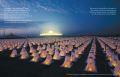
8
World's Largest Meditation Center
The temple is one of the world's largest
meditation centers, covering about 1,000
acres. Funded by public donations, the
temple is a non-profit organization that
provides meditation lessons to the int
The temple is one of the largest meditation centers globally, spanning 1,000 acres and funded by public donations. As a non-profit organization, it offers meditation lessons to individuals in Thailand
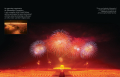
9
Dhammakaya Foundation: Promoting World Peace
Its supporting organization,
the Dhammakaya Foundation,
is also a member of the United Nations
and has participated in many international
activities aimed at promoting world peace
as well as intra- an
The Dhammakaya Foundation, a recognized organization affiliated with the United Nations, actively participates in promoting world peace and fostering unity among different religions. Each year, the fo
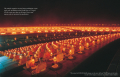
12
Mass Meditation Events at the Temple
The temple organizes several mass meditation events
each year, including on the Earth Day or 22 April.
All the events are open to all peace lovers and
anyone who is interested in meditation.
*Decorate
The temple hosts annual mass meditation events, inviting all peace lovers and meditation enthusiasts to participate. Observed on Earth Day (April 22), these events emphasize community and mindfulness.
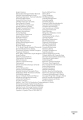
100
Prominent Individuals and Families
Janpim Sriwiran
Patrareudee Padungpat Steffen Klaestad
Meechai Subroongruang & Family
Supichaya Panprasert - Sarinrat Sukhabutr
Suvimol Sukhavacharin
Sumrej thro' Boon Group
Ubolthip Supananon & Famil
This document features an extensive list of notable individuals and families, serving as a record of their contributions and relationships. These names highlight active participation in the community
103
Meditation Centers in Japan and Malaysia
102
Nagano
Wat Thai Nagano
733-3 Mihari, Tomi-Shi, Nagano-Ken, 389-0501, Japan
Tel. +(81) 2-6864-7516
+(81) 2-6864-7720
Fax. +(81) 2-6862-2505
Mobile.+(81) 90-9390-6055
Email: [email protected]
Osaka
Explore the Dhammakaya International Meditation Centers located in major cities across Japan, including Nagano, Osaka, Tochigi, and Tokyo. Each center provides a peaceful environment for meditation an
107
Meditation Centers in France and Germany
106
FRANCE
Bordeaux
Wat Bouddha Bordeaux
47, Cours du General de Gaulle,33170 Gradignan, France
Tel. +(33) 5.40.00.93.70
Mobile.+(33) 6.20.23.53.08
Email: [email protected]
Paris
Wat Bouddha Paris
1
Explore various Buddhist meditation centers located in France and Germany, including Wat Bouddha in Bordeaux, Paris, and Strasbourg, as well as the Dhammakaya International Meditation centers in Germa
3
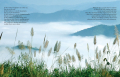
The Illusion of Happiness
If they believe happiness is in the sea,
they go to the sea.
If they believe it is in the mountains,
they go to the mountains.
If they believe it is in the shopping malls,
they go on a shopping spree.
This text discusses how people seek happiness in various external sources such as the sea, mountains, shopping malls, and fame. However, it emphasizes that true happiness cannot be found through mater
5
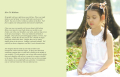
How To Meditate
How To Meditate
Sit upright with your right leg on your left leg. Place your right
hand on your left hand. Let your right index touch your left
thumb. You can sit with or without a cushion on the floo
Meditation is a practice that allows one to find tranquility and peace within by sitting comfortably, relaxing the body, and clearing the mind of thoughts. Begin by finding a comfortable position, suc
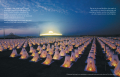
8
World's Largest Meditation Center
The temple is one of the world's largest
meditation centers, covering about 1,000
acres. Funded by public donations, the
temple is a non-profit organization that
provides meditation lessons to the int
This temple is recognized as one of the world’s largest meditation centers, spanning about 1,000 acres. Supported by public donations, it operates as a non-profit organization that offers meditation c
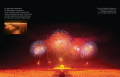
9
Dhammakaya Foundation: Promoting Peace and Unity
Its supporting organization,
the Dhammakaya Foundation,
is also a member of the United Nations
and has participated in many international
activities aimed at promoting world peace
as well as intra- an
The Dhammakaya Foundation is a UN member organization engaged in initiatives to foster world peace and unity among various religions. Each year, it hosts a significant illumination ceremony on the ful
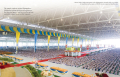
10
Dhammakaya Meditation Training and Retreats
The temple conducts various Dhammakaya
Meditation training sessions and retreats for
the interested general public as well as private
and public organizations at their requests.
* About 5,000-15,000 p
The Dhammakaya temple offers various meditation training sessions and retreats tailored for both the general public and organizations upon request. Every Sunday, between 5,000 to 15,000 participants g
33
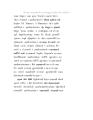
เวลาสีและการฝึกฝนทางจิตใจ
เวลาสี ตวาสิณ ฯ ตรศ ฯ ตุพร อายุสม ยโส กาฬทุกปฎิโต
เวลาสีว วิหรดิ มหาวาน ฤทธาภาสลาย ฤ เตน โฟ ปน สมเยน
เวลาสีขา วชชีปฎคา ภิญ ฤฑฺ ฐาน ฐาน ฑ โกษา อุโณ ฑ ปฎเรวา
มชฺฌ ภิกฺขูสงฆฺส จบปวา อาจคาเด เวลาสีข
บทความนี้สำรวจแนวคิดในเรื่องเวลาสีและการใช้เวลานี้ในการพัฒนาตนเองผ่านการฝึกจิตใจและสมาธิ ซึ่งสามารถนำไปสู่การเข้าใจตนเองและเพิ่มประสิทธิภาพในการทำงานและชีวิตประจำวันได้ การฝึกจิตใจช่วยให้เรามีความสงบแ
475
สมุดขาวสำคัญ นาม วิถีภูคา (ตติย ภาค) - หน้า ที่ 475
ประโยค - สมุดขาวสำคัญ นาม วิถีภูคา (ตติย ภาค) - หน้า ที่ 475
วายาย สัสดีวา อยยเต มุเหวิธาธิ จ อุตตาน วิธิวา
วิธิวา โรเทยาติ จ วุฒศิลา ihren ๆ วิสุนพเวา ฤา วิสุนพาเปตรา วดี จ ทุกขิติ
ภิญญียา วิริยา วิ
เอกสารนี้พูดถึงวิธีการดำเนินชีวิตและปรัชญาที่เข้ากันได้กับสัญญาและการปฏิบัติที่สำคัญ โดยมีการอภิปรายเกี่ยวกับศิลปะการใช้ชีวิต ร่วมกับการกล่าวถึงการประสานงานด้านจิตวิญญาณและความสัมพันธ์ระหว่างบุคคลในสั
34
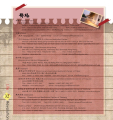
聯絡資訊 - 法鼓基金會及其各地分會
聯絡
泰國 (Headquarters)
法鼓基金會 Dhammakaya Foundation
40 Mu 8, Khlong Song, Khlong Luang, Pathum Thani 12120, THAILAND
Tel.: +(66-2) 831-2553, +(66-8) 6529-0142 Fax: + (66-2) 5240270 to 1
Email: Dhammakay
法鼓基金會提供全球各地的聯絡資訊。總部位於泰國巴吞他尼,提供聯絡電話及電子郵件。其他地區,包括中國(北京及四川)、香港、新加坡及臺灣的各分會,也都有清晰的聯絡資訊。每個地點附上電話號碼及電子郵件,以方便有需要的人士聯絡。具體資訊點擊dmc.tv。
275
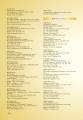
Global Meditation Centers Contact Information
意大利 (Italy)
Fondazione per la meditazione
Via Montichiari 73, 25016 Ghidini (BS), ITALY
Tel. +(39)-30-903-2460
Mobile. +(39)-33-43358849
Wat Buddha Milano
Via Dello Scoiattolo 7, 21052 Busto Arsizio
本页面汇集了全球各地冥想中心的详细联系信息,涵盖意大利、挪威、瑞典、瑞士、英国、丹麦、西班牙及美洲地区的冥想中心,包括地址、电话和电子邮件。无论您身处何地,都能找到附近的冥想地点和与之联系的方式。了解如何通过冥想提升生活质量,欢迎随时与相关冥想中心取得联系,获取更多信息。详情请访问 dmc.tv。
276
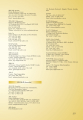
Meditation Centers in Florida, Minnesota, Canada, and Australia
佛罗里达 (Florida)
Florida Meditation Center
1303 N. Gordon St., Plant City, FL 33563 USA
Tel. +(1)–813–719–8000, +(1)–813–719–8005
Fax. +(1)–813–719–8007
Email : [email protected]
明尼苏达州 (Minnesota)
Minne
在佛罗里达州,明尼苏达州,加拿大和澳大利亚有多个冥想中心可供访问。每个中心提供独特的环境和专业指导,旨在帮助人们获得内心的平静与和谐。您可以联系各中心以获取更多信息,电话号码及邮箱一应俱全。dmc.tv 是一个了解更多冥想信息的好地方。
106
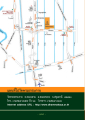
แผนที่ไปวัดพระธรรมกาย
วัดพระธรรมกาย ต.คลองสาม อ.คลองหลวง จ.ปทุมธานี 12120
โทร. 0-2524-2547 ถึง 23 โทรสาร 0-2524- 0250
Internet address URL : http://www.dhammakaya.or.th
27
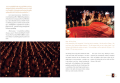
การให้ใจจริงและความเข้าใจในชีวิต
"ทุกคนต่างมี ความคิดและจิตใจที่แตกต่างกัน และสุดท้ายมันก็มีความหมาย
ของคำว่าให้ใจจริง เพื่อความเข้าใจและความไว้ใจ คุยและสนับสนุนกันมากขึ้น
ทุกคนคงจะมีคำอธิบายได้ไม่ยากให้เป็นแนวทางของตนเอง"
ความเชื่
บทความนี้พูดถึงความสำคัญของการให้ใจจริงและความแตกต่างของความคิดในชีวิต สอดคล้องกับหลักการของการทำความดีและการตระหนักถึงความเชื่อถือในโลก ในบรรดาการแชร์เพื่อให้เกิดความไว้วางใจและความเข้าใจในสังคม เพลง
85
Speech of Solidarity and Verses of Resolution
Speech of Solidarity and Verses of Resolution
By H.E. the Deputy Prime Minister Somsak Thepsuthin,
representing the Prime Minister
Venerable Sirs, Your Excellencies, Distinguished Guests, Ladies
In a poignant speech, H.E. Deputy Prime Minister Somsak Thepsuthin emphasizes the teachings of Buddha regarding the Cycle of Rebirth, the interconnectedness of humanity, and the inevitability of parti
25
Chaiboon's Journey of Knowledge and Buddhism
Chaiboon’s Utmost Dedication to Attaining Knowledge of the World and the
Start of Attaining Knowledge of Buddhism.
Young Chaiboon was eager when it came to acquiring knowledge, and was happy spending
Chaiboon, a young boy, dedicated his free time to acquiring knowledge through books, especially on Dhamma. Unlike his peers, he found joy in reading, deepening his understanding of life's suffering an